


Radiology Insights & Stories
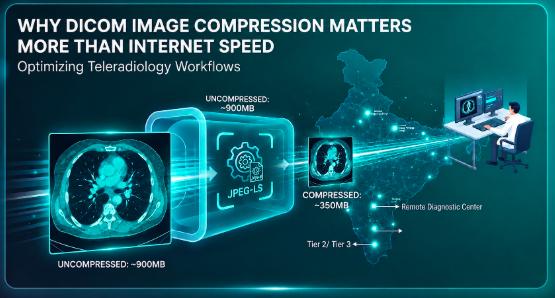
Why DICOM Image Compression Matters More Than Internet Speed
Discover how DICOM image compression reduces transmission time, cuts storage costs, and improves teleradiology performance — often more than a bandwidth upgrade. See how RadpicsAI handles it.
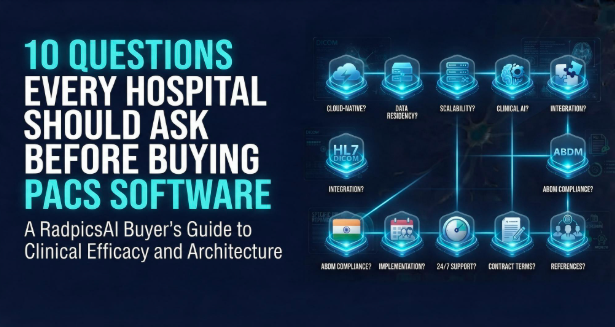
10 Questions Every Hospital Should Ask Before Buying PACS Software
A practical buyer's checklist for hospital PACS software cloud architecture, data residency, AI, ABDM compliance, support, and contract terms. See how RadpicsAI answers every question.
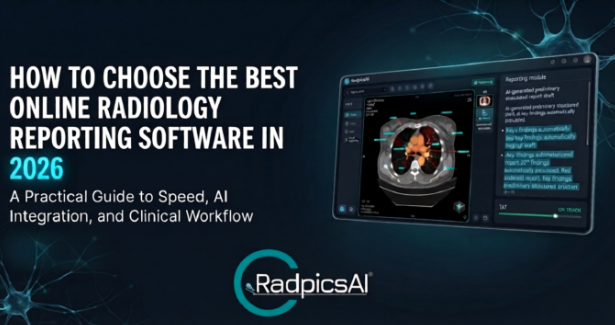
How to Choose the Best Online Radiology Reporting Software in 2026
A practical guide to choosing radiology reporting software in 2026 — AI reporting, PACS integration, structured reports, turnaround tracking, and what to ask vendors.
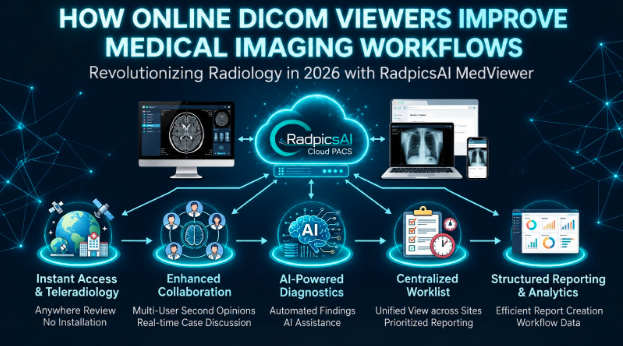
How Online DICOM Viewers Improve Medical Imaging Workflows
Discover how online DICOM viewers are transforming radiology workflows from teleradiology and multi-site access to patient image sharing. See how RadpicsAI's MedViewer makes it work.
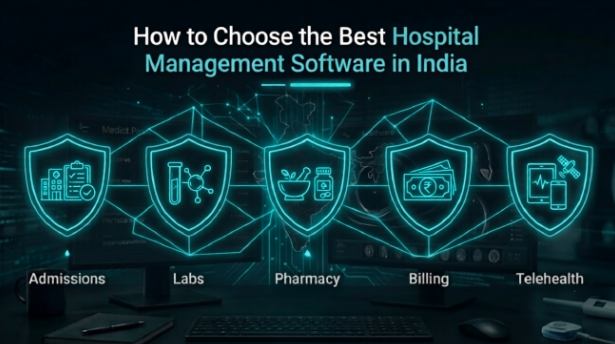
How to Choose the Best Hospital Management Software in India
Every hospital has the same underlying problem - information is scattered. Here is a practical buyer's guide to choosing the right hospital management software in India, covering features, ABDM compliance, cloud vs on-premise, and where RadpicsAI fits.
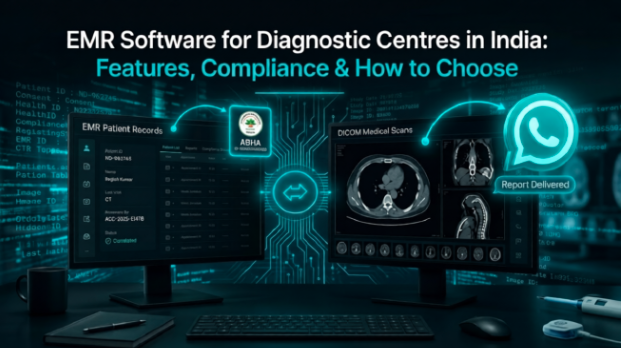
EMR Software for Diagnostic Centres in India: Features, Compliance & How to Choose
Running a diagnostic centre in India has always meant managing a lot of paper. Registration forms. Appointment books. Lab request slips. Radiology reports filed in labelled folders. Billing records kept in a separate register. Every piece of patient information is in a different place - and none of it is easy to find when someone calls asking about a test from three months ago.
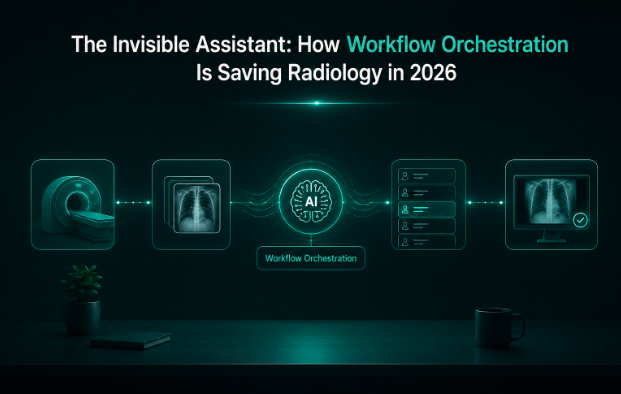
The Invisible Assistant: How Workflow Orchestration Is Transforming Radiology in 2026
When people talk about AI in radiology, they almost always talk about the diagnosis part. But another layer of technology - workflow orchestration - is doing just as much heavy lifting in the background, making sure the right study reaches the right radiologist at the right time.
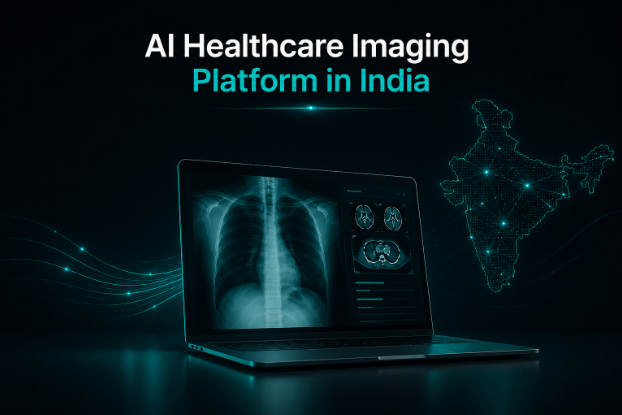
AI Healthcare Imaging Platform in India: What It Is, How It Works & Why Every Indian Healthcare Provider Can't Ignore It
India has around 20,000 radiologists serving a population of over 1.4 billion - and the gap is especially severe beyond major cities. Here is what an AI healthcare imaging platform is, how it works, and why every Indian healthcare provider cannot ignore it.
Beyond Distance: How Secure Video Consultations Are Revolutionizing Radiology Second Opinions in India
Explore how secure virtual radiology consultations provide expert second opinions, protect patient data, and accelerate treatment decisions.
Cloud PACS vs On-Premise PACS: The Real Cost of Ownership for Indian Hospitals in 2026
Find out how RadpicsAI's cloud-native PACS platform reduces hardware costs, simplifies IT management, and improves radiologist productivity for modern healthcare organizations.
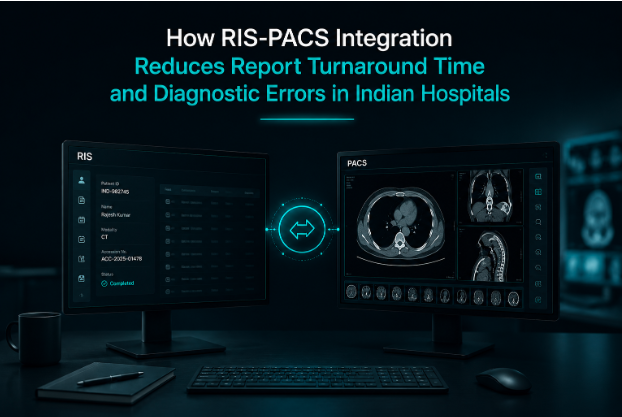
How RIS-PACS Integration Reduces Report Turnaround Time and Diagnostic Errors in Indian Hospitals
Learn how RIS-PACS integration helps Indian hospitals reduce report turnaround times, minimize diagnostic errors, and improve radiology workflow efficiency.
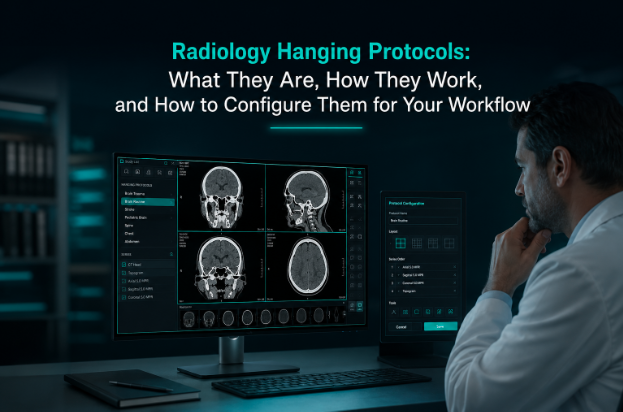
Radiology Hanging Protocols: What They Are, How They Work, and How to Configure Them for Your Workflow
Learn how radiology hanging protocols automatically arrange images, load prior studies, and streamline PACS workflows for faster, more consistent reporting.
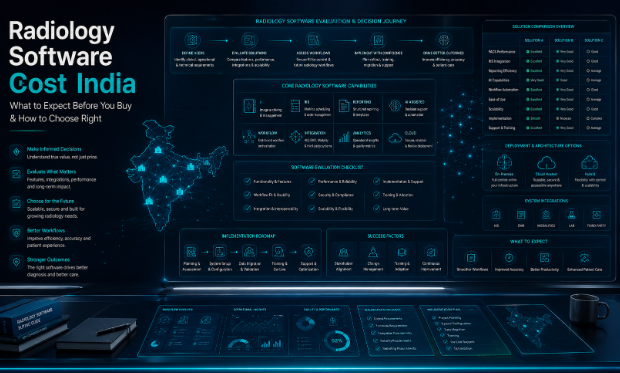
Radiology Software Cost India: What to Expect Before You Buy & How to Choose Right
Radiology software in India ranges from ₹50,000 to ₹25 lakh+ depending on your setup - and most clinics overpay because they don't know what they're actually buying. Here's the honest breakdown.
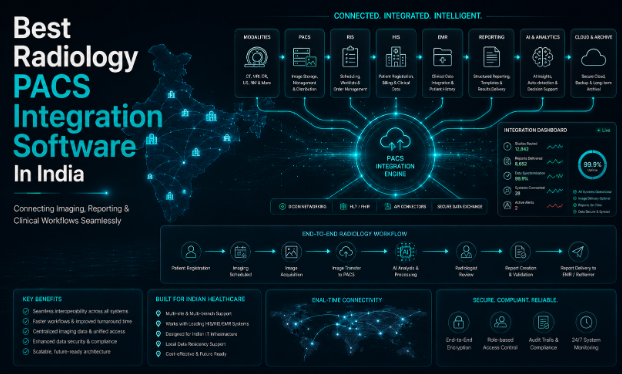
Best Radiology PACS Integration Software In India
India's Radiology Departments Are Drowning in Images - The Right PACS Fixes That. RadpicsAI stands out as one of the smartest PACS-integrated radiology AI platforms built specifically for the Indian healthcare market.
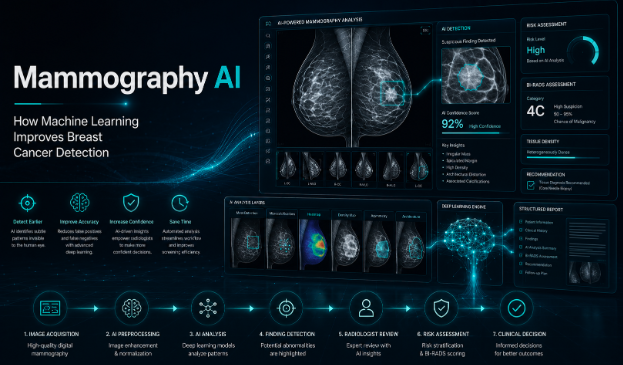
Mammography AI: How Machine Learning Improves Breast Cancer Detection
Breast cancer kills over 670,000 people annually — and a significant portion of those deaths trace back to one avoidable failure: a missed or delayed diagnosis on a mammogram. Mammography AI is changing that equation.
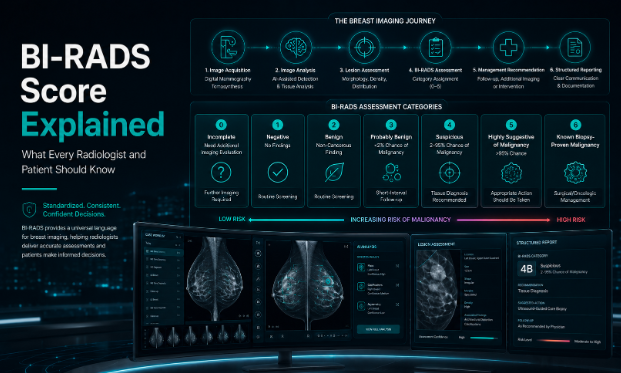
BI-RADS Score Explained: What Every Radiologist and Patient Should Know
Your mammogram just came back with a BI-RADS score — and you have no idea what it means. BI-RADS is a standardized 0–6 scoring system that tells you and your doctor how likely a breast finding is to be cancerous and what should happen next.
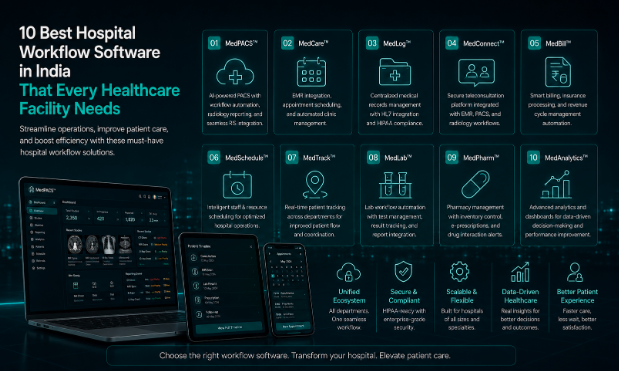
10 Best Hospital Workflow Software in India That Every Healthcare Facility Needs
Indian hospitals are drowning in paperwork. Doctors are burning out. Patients are waiting too long. The fix? The right workflow software. Whether you run a small clinic or a multi-specialty hospital, these 10 tools can change how your facility operates in 2026.
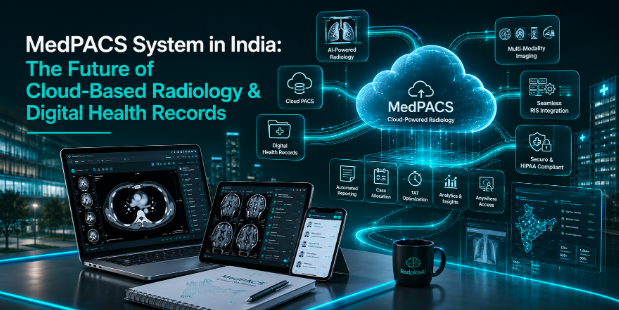
MedPACS System in India: The Future of Cloud-Based Radiology & Digital Health Records
India's radiology infrastructure is broken — and MedPACS is fixing it. Thousands of hospitals still rely on CD-based image transfers, disconnected reporting systems, and paper records that delay diagnoses by days.
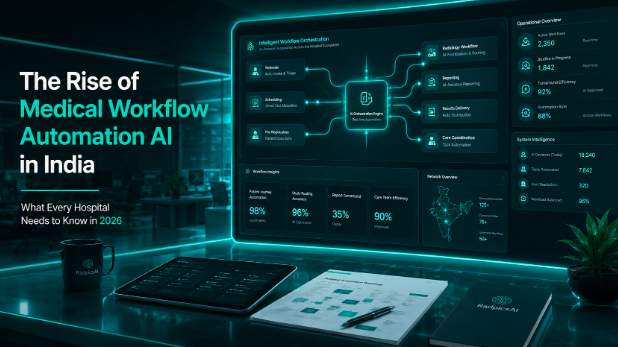
The Rise of Medical Workflow Automation AI in India: What Every Hospital Needs to Know in 2026
India's healthcare sector is experiencing a structural rupture. The convergence of an acute radiologist deficit, explosive tier-2 and tier-3 demand, and clinically validated AI platforms has compressed a decade-long adoption curve into a two-to-three-year window.
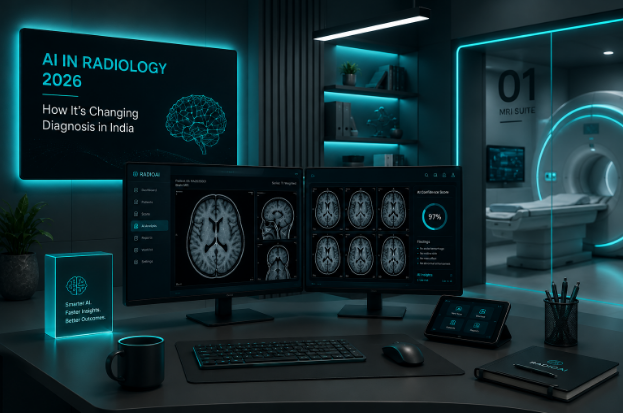
AI in Radiology 2026: How It's Changing Diagnosis in India
Discover how AI is changing radiology in India in 2026 — faster reports, fewer missed diagnoses, and better access for patients in small towns and villages. Learn how platforms like RadpicsAI are making it happen.
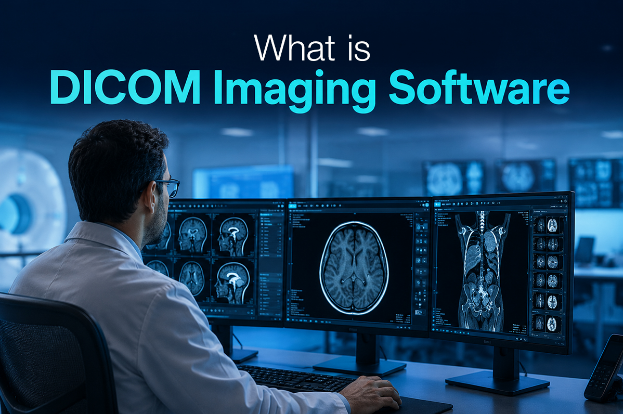
What is DICOM Imaging Software? A Simple Guide for Everyone (2026)
Confused about DICOM imaging software? This easy-to-understand guide explains what DICOM is, how it works, and why RadpicsAI's cloud-based DICOM viewer is transforming radiology in India and beyond.
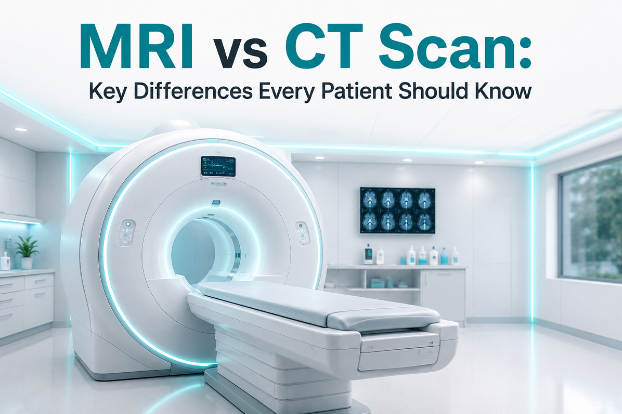
MRI vs CT Scan: Key Differences Every Patient Should Know
Not sure whether you need an MRI or CT scan? RadpicsAI explains the key differences — technology, radiation, cost, use cases, and when each scan is right for you. Read the complete patient guide.
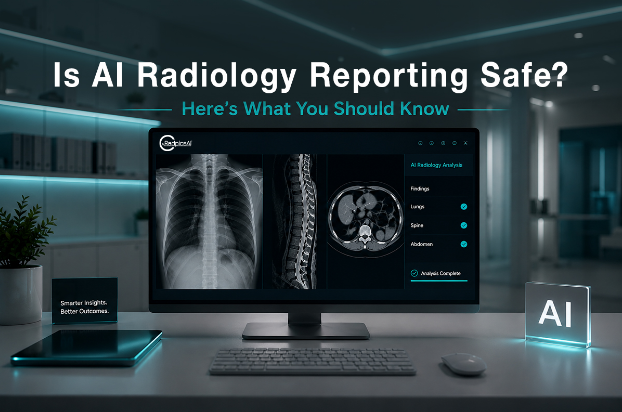
Is AI Radiology Reporting Safe? Here's What You Should Know
Wondering if AI radiology reporting is safe? Learn how PACS-Integrated Radiology AI, faster radiology reporting time, and trusted AI reporting tools like RadpicsAI are changing diagnostics - safely.
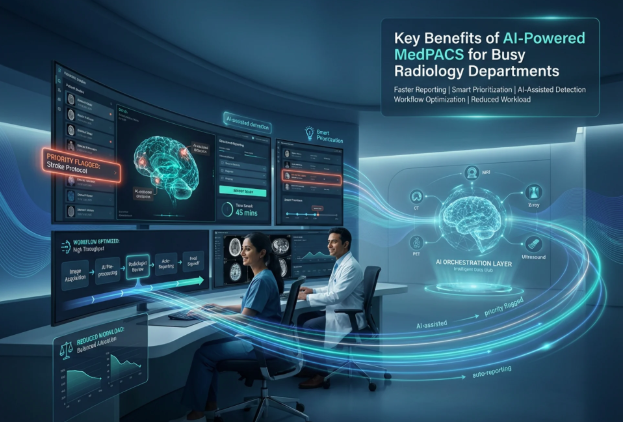
Key Benefits of AI-Powered MedPACS for Busy Radiology Departments
Explore the key benefits of AI-powered MedPACS for busy radiology departments—from faster turnaround times and improved diagnostic accuracy to scalable workflows and reduced burnout.
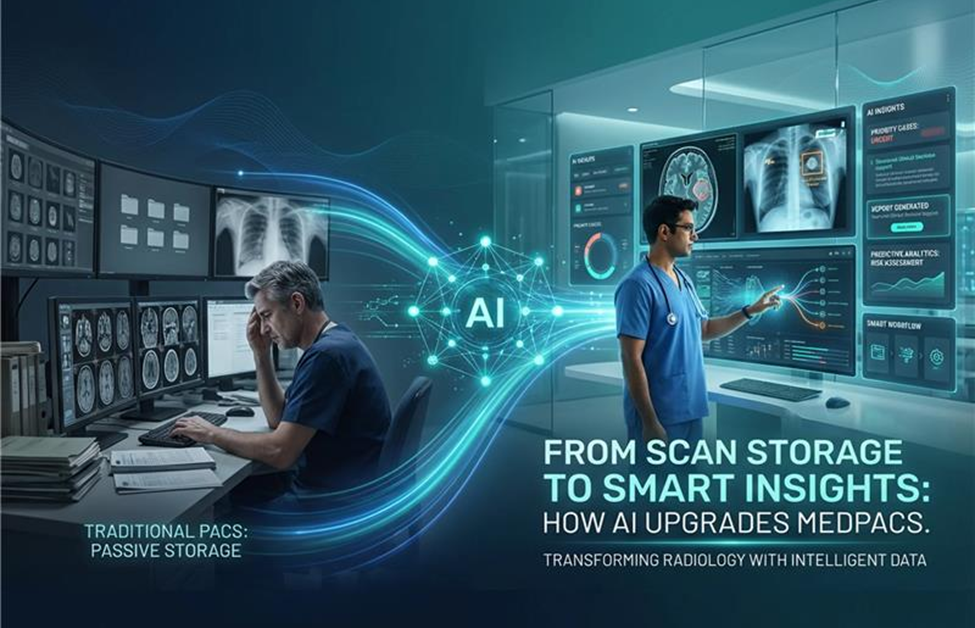
From Scan Storage to Smart Insights: How AI Upgrades MedPACS
Discover how AI is transforming traditional MedPACS from passive scan storage into intelligent, insight-driven platforms—enabling faster diagnosis, smarter workflows, and better patient outcomes with RadpicsAI.
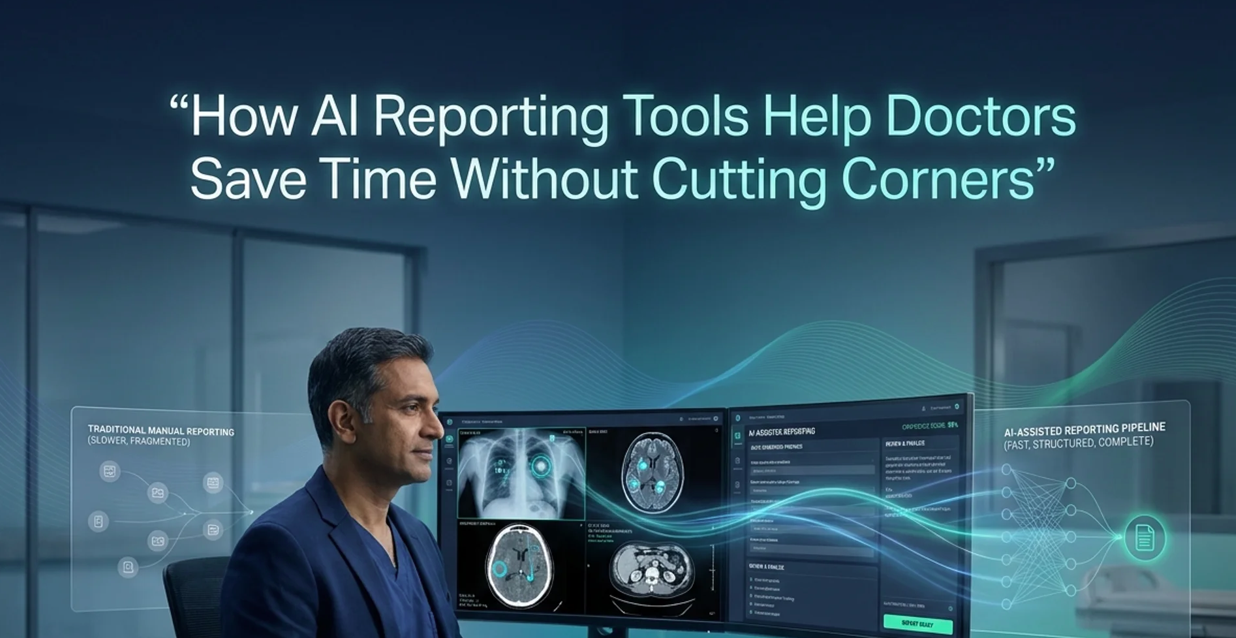
How AI Reporting Tools Help Doctors Save Time Without Cutting Corners
Discover how AI-powered reporting tools like RadpicsAI help doctors save time without compromising quality—automating workflows, reducing burnout, and enabling efficient, accurate radiology reporting.
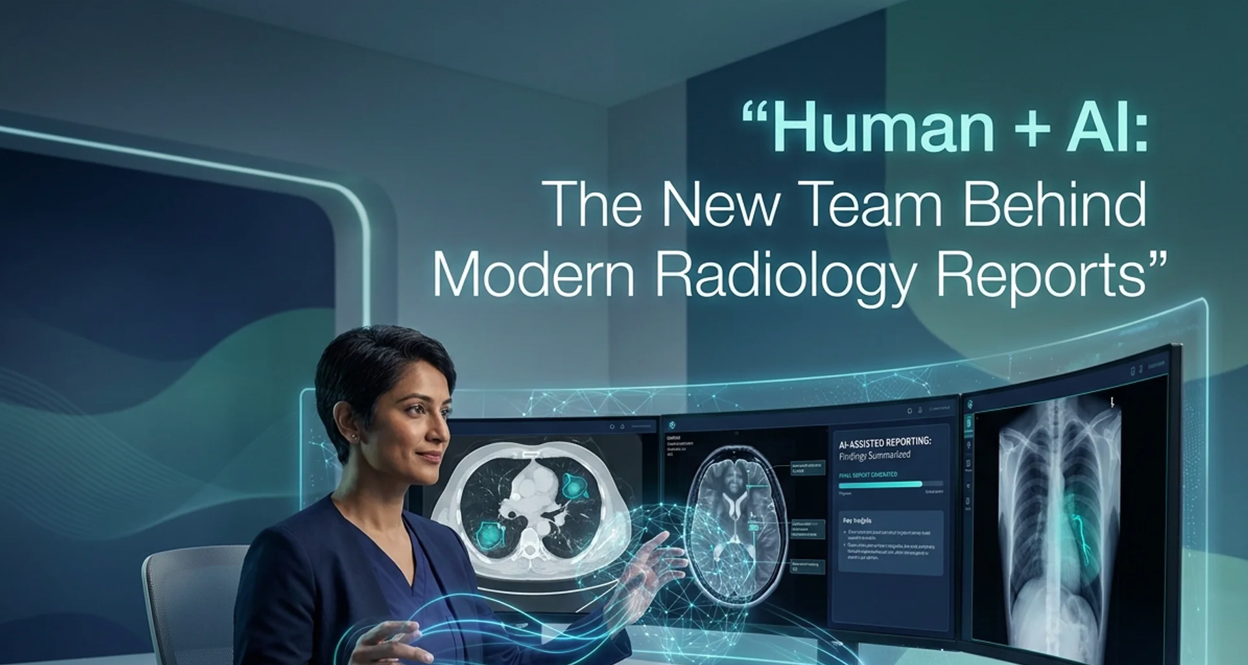
Human + AI: The New Team Behind Modern Radiology Reports
Discover how the powerful partnership between human expertise and AI is reshaping radiology reporting—making it faster, more consistent, and more reliable with platforms like RadpicsAI.
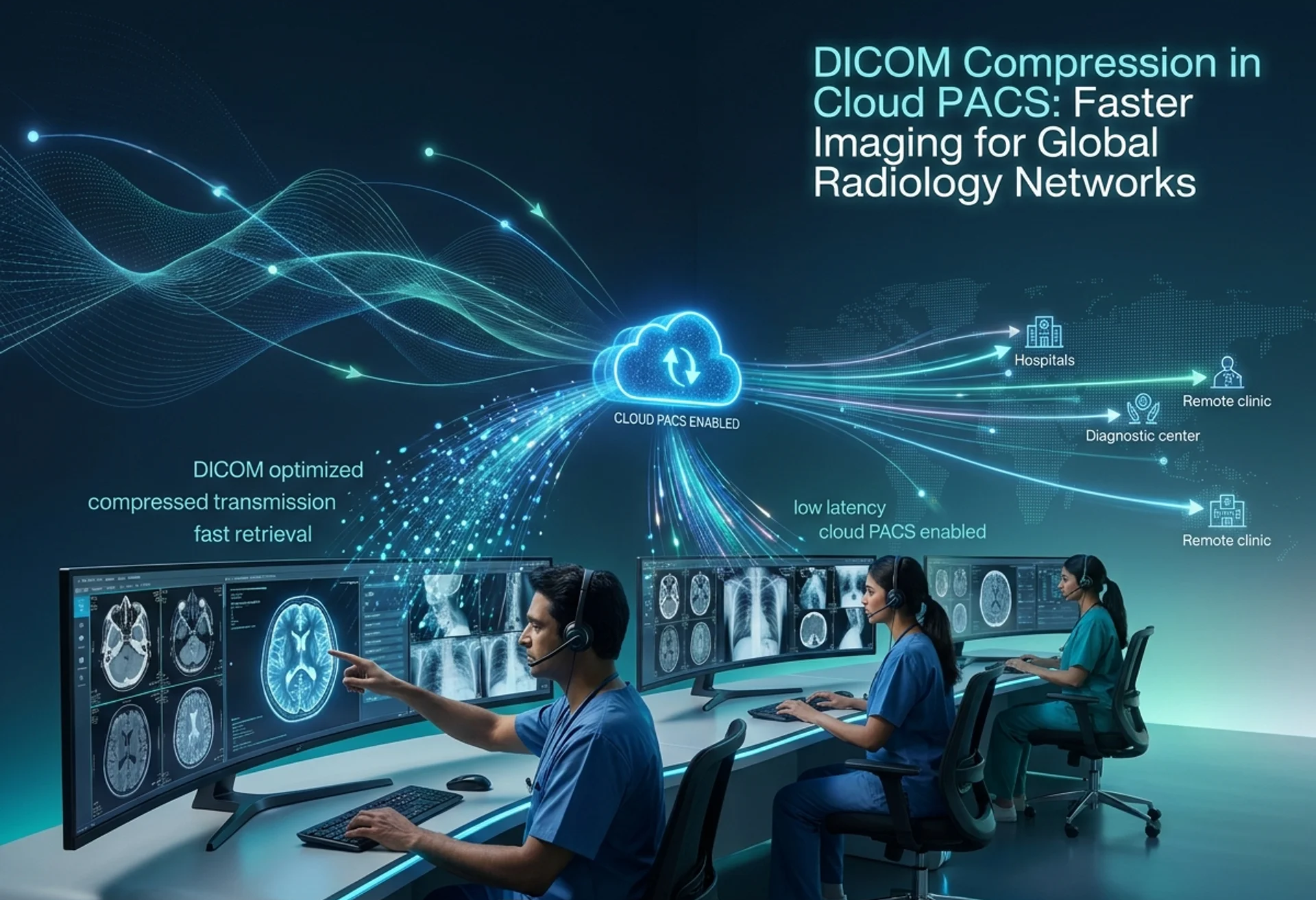
DICOM Compression in Cloud PACS: Faster Imaging for Global Radiology Networks
As radiology networks expand across geographies, the ability to transfer, access, and interpret imaging data quickly has become critical. Learn how DICOM compression within cloud PACS platforms enables faster, more efficient, and scalable radiology workflows.
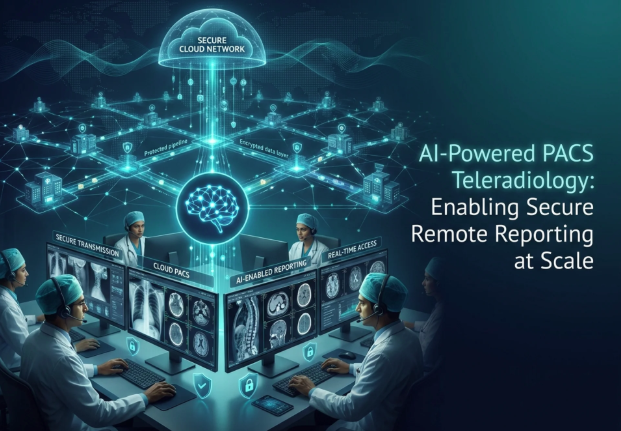
AI-Powered PACS Teleradiology: Enabling Secure Remote Reporting at Scale
Discover how AI-powered PACS teleradiology platforms like RadpicsAI are enabling secure remote reporting at scale through intelligent automation and cloud infrastructure.
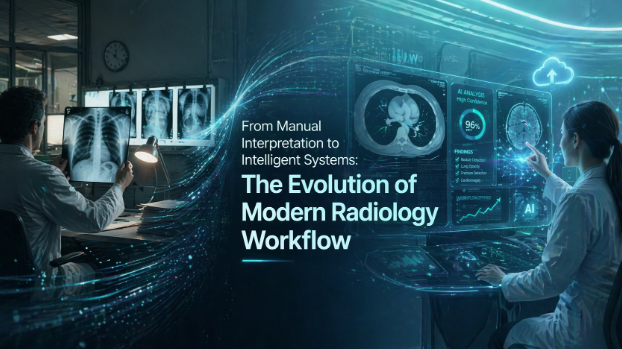
From Manual Interpretation to Intelligent Systems: The Evolution of Modern Radiology Workflows
Explore how radiology workflows have evolved from manual film-based processes to AI-driven intelligent systems, and what this means for the future of diagnostic imaging.
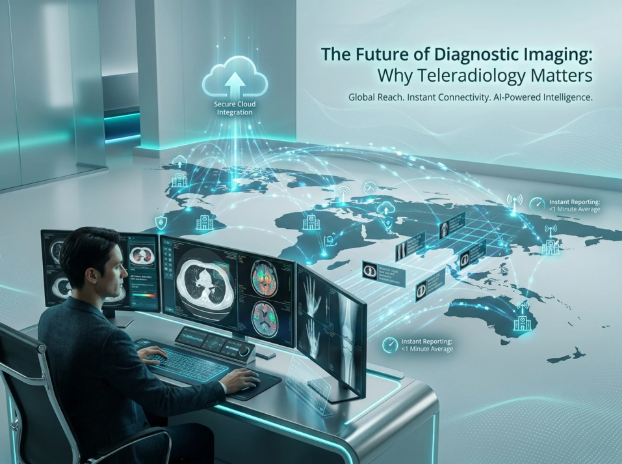
The Future of Diagnostic Imaging: Why Teleradiology Matters
Discover why teleradiology is reshaping the future of diagnostic imaging in India—expanding access, improving turnaround times, and enabling scalable radiology workflows.
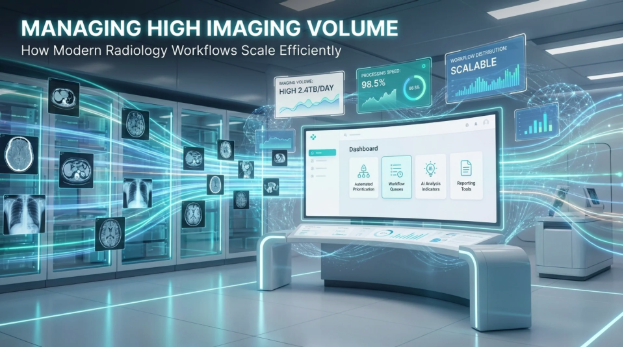
Managing High Imaging Volume: How Modern Radiology Workflows Scale Efficiently
Learn how modern radiology workflows use automation, AI, and cloud infrastructure to manage high imaging volumes efficiently without compromising accuracy.
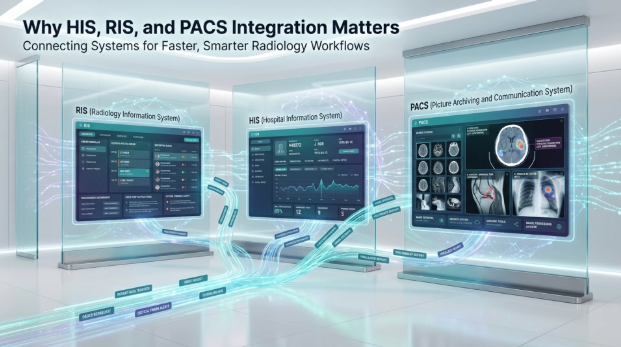
Why HIS, RIS, and PACS Integration is Critical for Efficient Radiology Workflows
Discover why integrating HIS, RIS, and PACS is essential for efficient radiology workflows, faster diagnostics, reduced errors, and better patient outcomes.
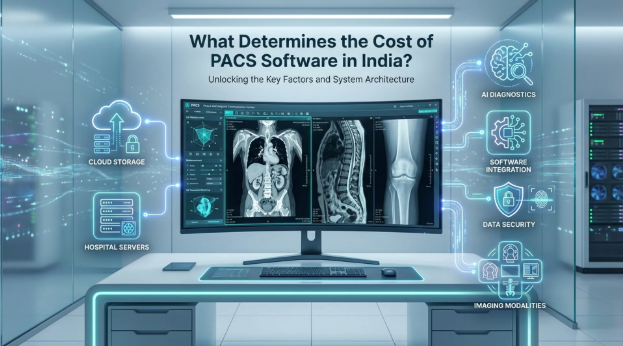
What Determines the Cost of PACS Software in India? A Practical Breakdown for Hospitals
Understand what drives PACS software costs in India — from deployment models and storage to AI integration and total cost of ownership.
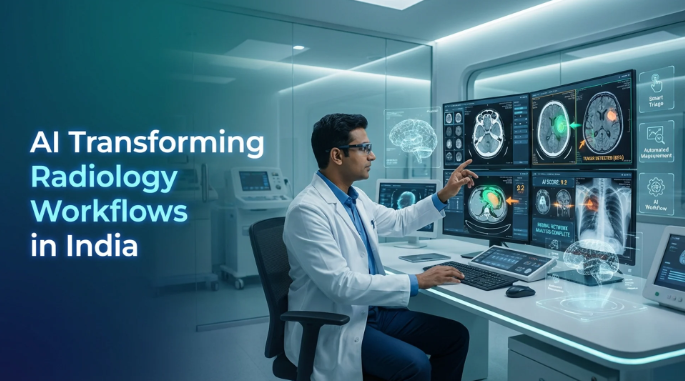
How AI is Transforming Radiology Workflows in India: Real Use Cases Inside PACS
Discover how AI-powered PACS is reshaping radiology workflows in India with smart case prioritization, automated reporting, teleradiology, and workflow automation.
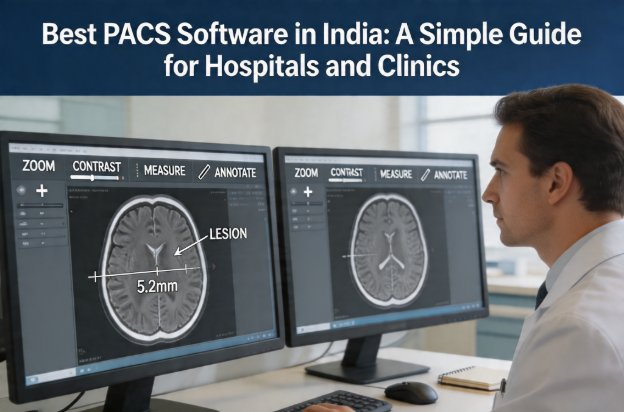
Best PACS Software in India: A Simple Guide for Hospitals and Clinics
In the rapidly evolving landscape of Indian healthcare, the transition from traditional film-based X-rays to digital imaging is no longer a luxury — it is a necessity. At the heart of this transformation is PACS (Picture Archiving and Communication System).
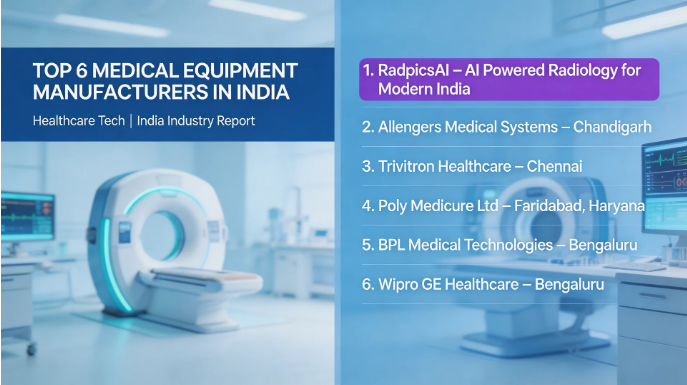
Top Medical Equipment Manufacturers in India You Should Know About
If you have ever visited a hospital and wondered where all those scanning machines and medical devices come from — you are not alone. Today, India is home to some of the world's leading medical equipment manufacturers, with the industry growing rapidly.
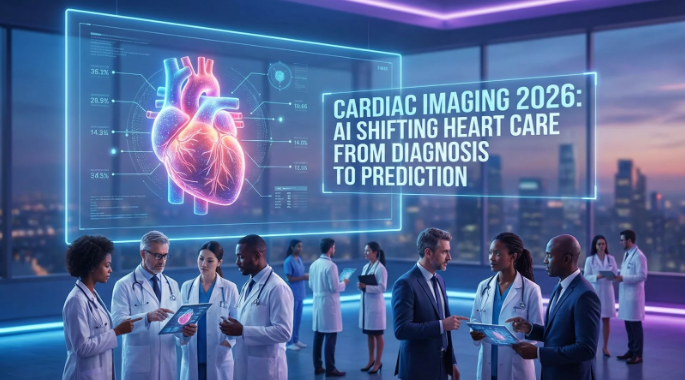
Cardiac Imaging in 2026: How AI Is Shifting Heart Care from Diagnosis to Prediction
Cardiovascular diseases remain one of the leading causes of mortality worldwide, making early and accurate detection more critical than ever. Traditionally, cardiac imaging has focused on diagnosing existing conditions. But in 2026, the paradigm is shifting—from diagnosis to prediction.
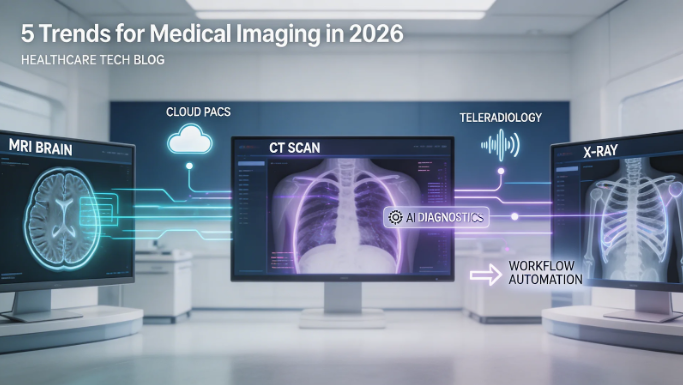
Future of PACS: 5 Trends for Medical Imaging in 2026
The evolution of medical imaging is accelerating at an unprecedented pace. As imaging volumes grow and healthcare systems expand across geographies, traditional PACS solutions are no longer sufficient to meet modern demands.
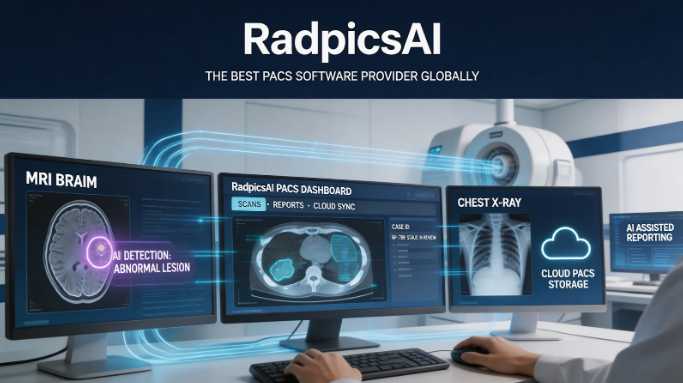
Why RadpicsAI is the Best PACS Software Provider in India
Hospitals and diagnostic centres across India are searching for reliable, affordable, and AI-powered PACS software. Here’s why RadpicsAI stands out as the best PACS provider in India.
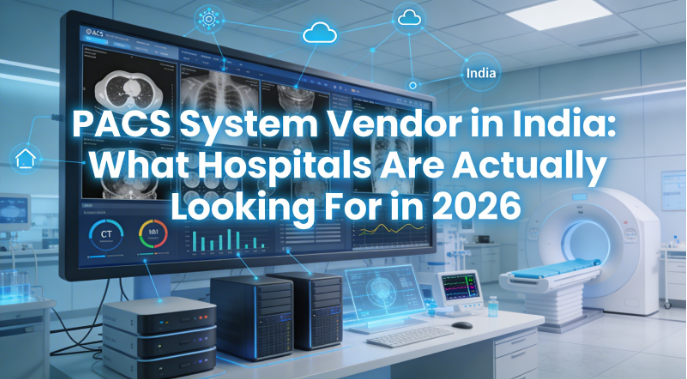
PACS System Vendor in India: What Hospitals Are Actually Looking For in 2026
With dozens of PACS system vendors in India now competing for hospital contracts, choosing the right one has become genuinely overwhelming. Here is what radiology departments are actually looking for in 2026.
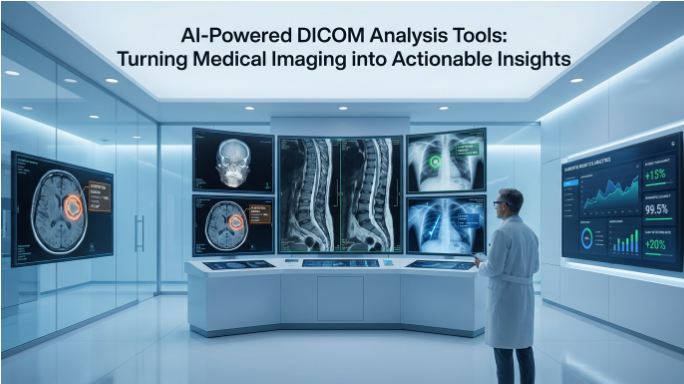
AI-Powered DICOM Analysis Tools: Turning Medical Imaging into Actionable Insights
Medical imaging has always been at the center of clinical decision-making. As imaging volumes increase and cases become more complex, the challenge is no longer just capturing images — it is interpreting them quickly, accurately, and consistently.
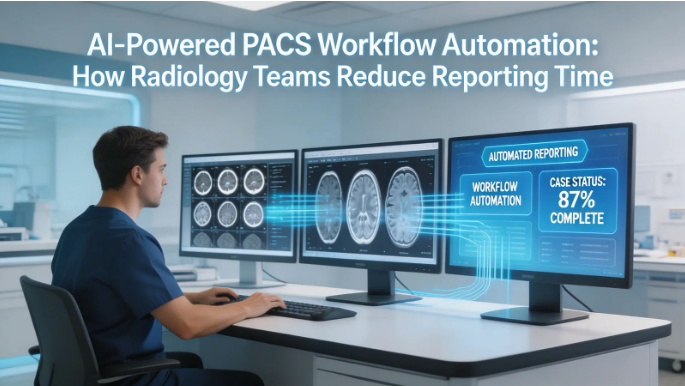
AI-Powered PACS Workflow Automation: How Radiology Teams Reduce Reporting Time
Radiology departments today are under constant pressure to deliver faster reports without compromising accuracy. Imaging volumes continue to grow, case complexity is increasing, and clinicians expect near-real-time reporting.
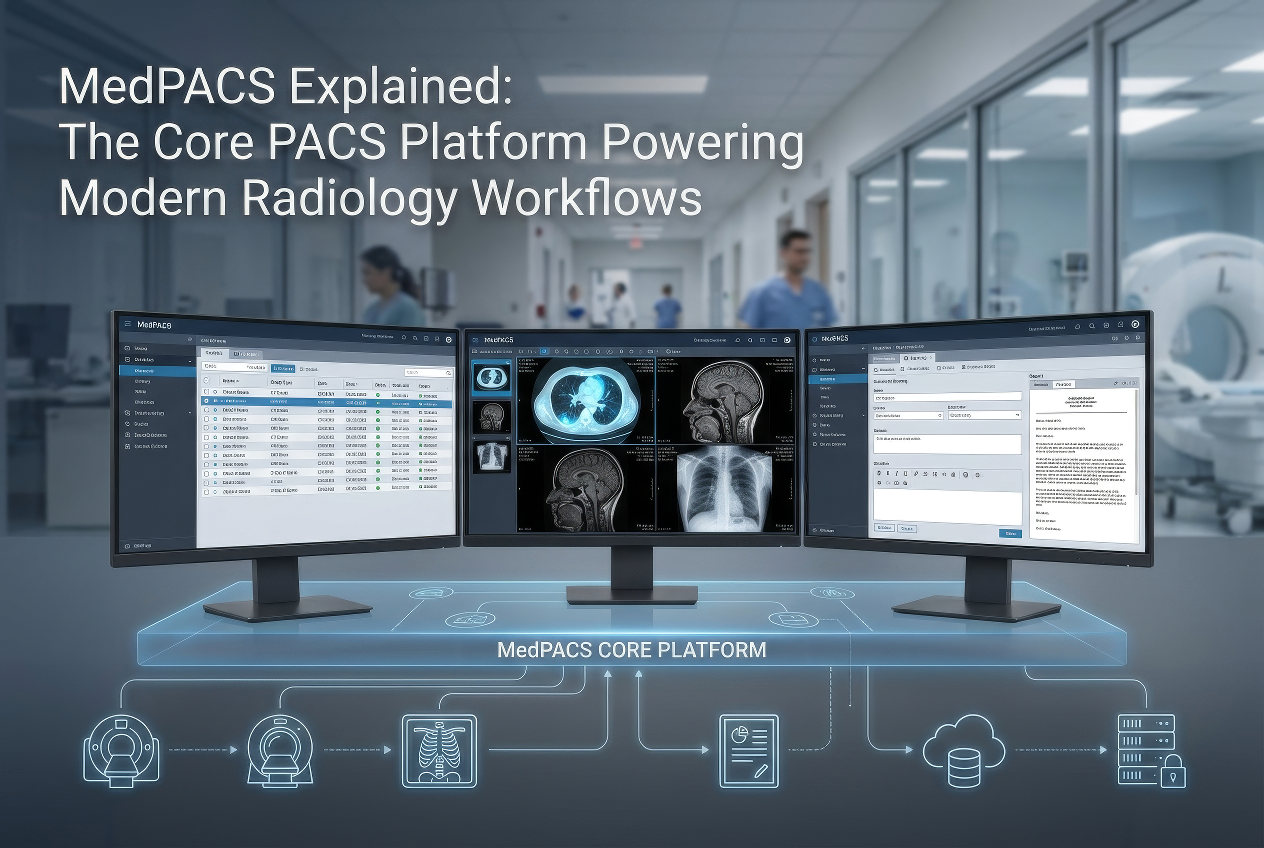
MedPACS Explained: The Core PACS Platform Powering Modern Radiology Workflows
Traditional PACS systems laid the foundation for digital image management, but today's demands require a platform that does more than store images — it must streamline workflows, integrate advanced tools, and make radiologists' jobs easier.
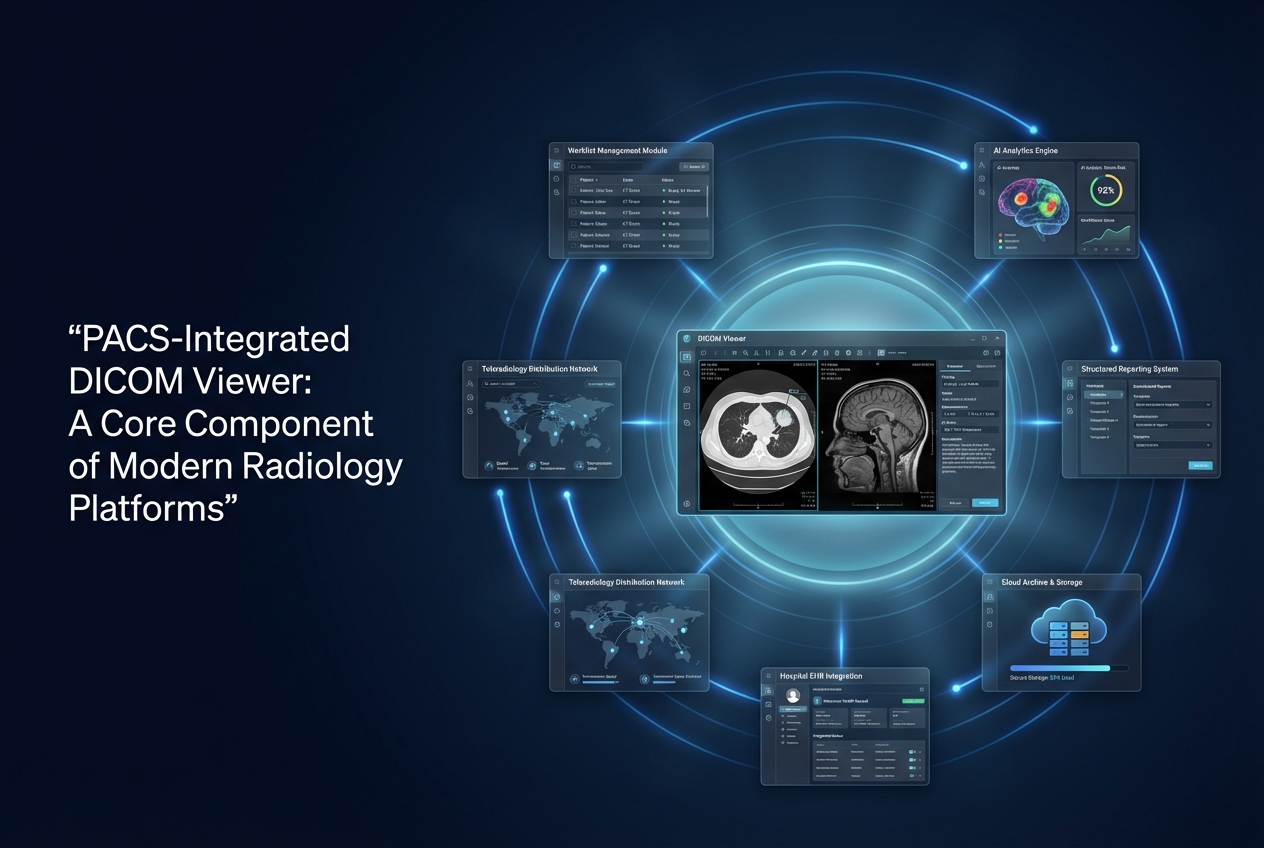
PACS-Integrated DICOM Viewer: A Core Component of Modern Radiology Platforms
Medical imaging sits at the heart of modern diagnostics, and the way radiologists view, analyse, and interpret images directly impacts clinical outcomes.
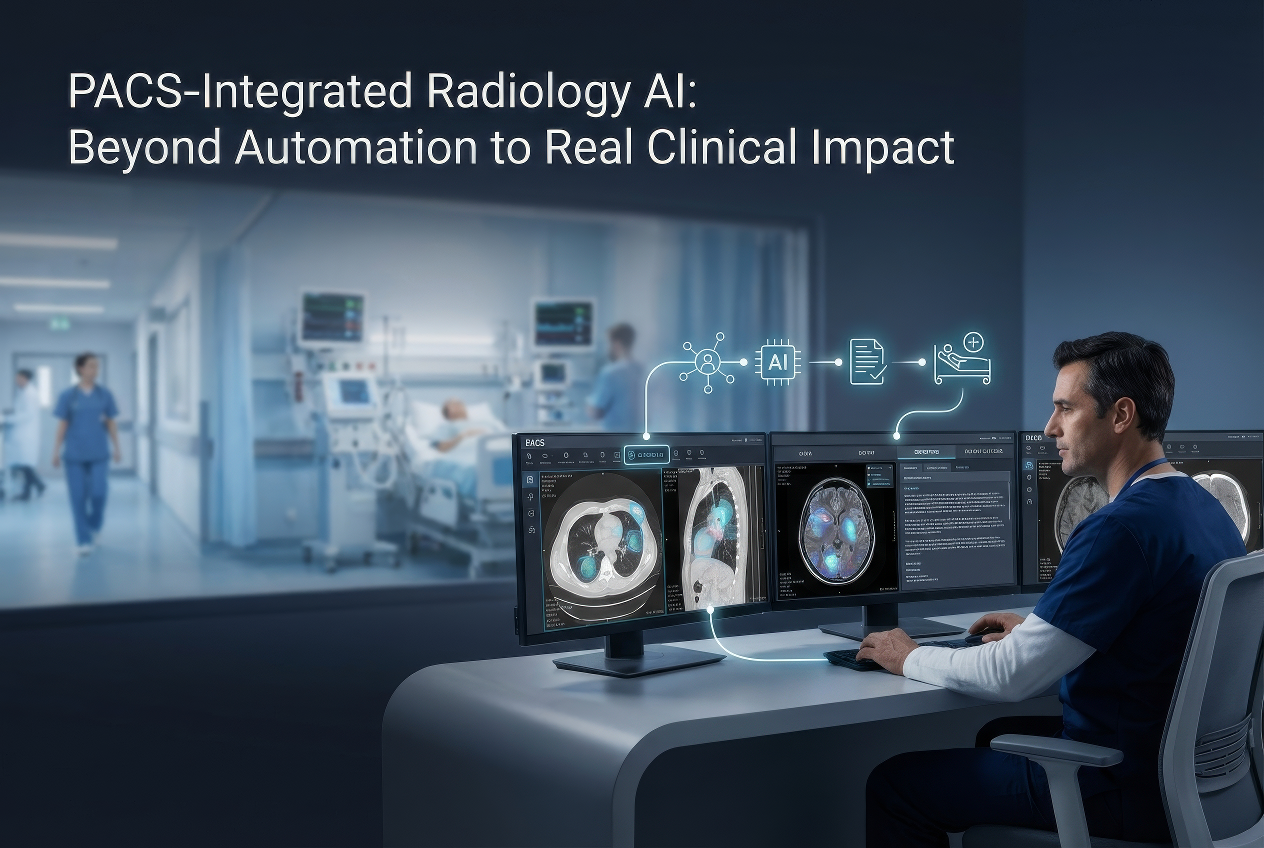
PACS-Integrated Radiology AI: Beyond Automation to Real Clinical Impact
Radiology AI has moved beyond experimentation. The question is no longer whether AI works — it's where it works best. The answer is clear: inside PACS.
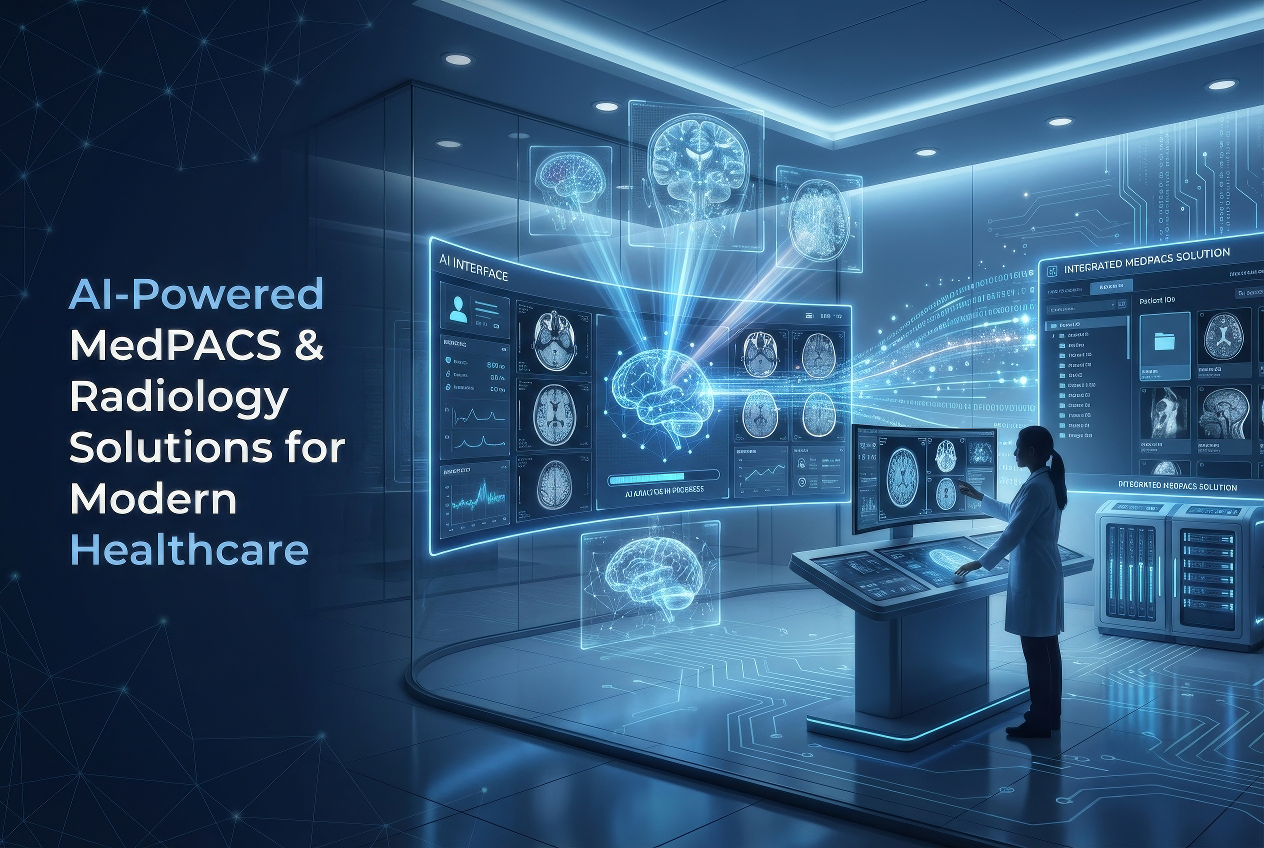
AI-Powered MedPACS & Radiology Solutions for Modern Healthcare
Radiology departments are no longer asking whether AI works. The focus has shifted to where AI delivers meaningful clinical value - and the answer lies inside PACS.
How AI Helped Me Cut My Radiology Reporting Time by Nearly 70%
After years in radiology, I have come to a clear realisation: diagnosis is rarely the hardest part of the job. The real challenge lies in everything that surrounds it.